


Fred Roeder is an ex-Londoner in Dubai and the Managing Director of the Consumer Choice Center
When British policymakers look to the Gulf, they often assume Dubai’s rise was built on limitless oil wealth. That misses the more interesting lesson. Dubai’s free-trade instincts go back to 1901, when its rulers scrapped import and export taxes to attract merchants from more restrictive neighbouring ports.
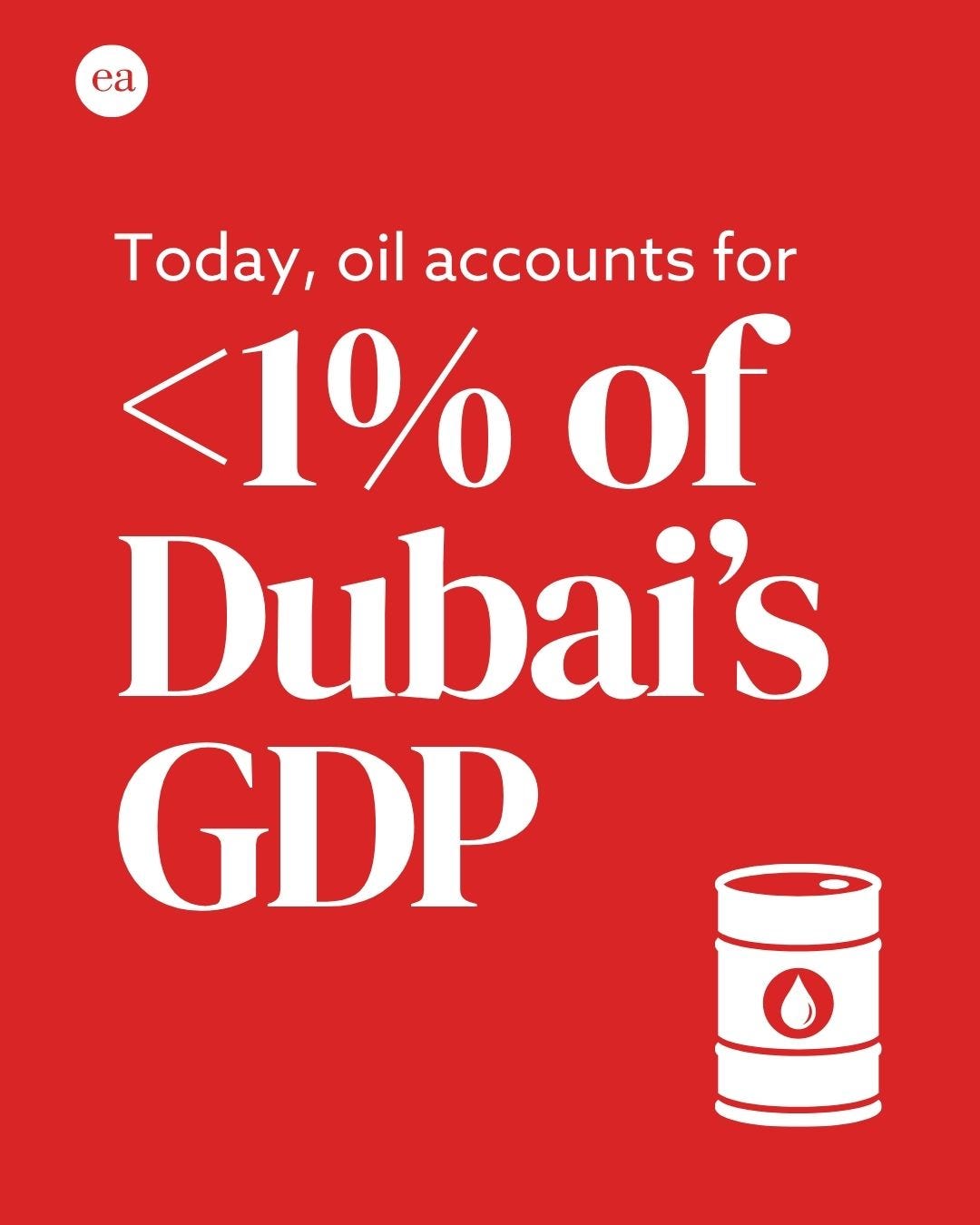
Today, oil accounts for less than 1 per cent of Dubai’s GDP. The emirate has prospered by becoming what might be called a ‘platform city’: a stable, business-friendly hub that provides the infrastructure, light-touch rules, and predictability private enterprise needs to grow.
During the early days of the Iran conflict, UK tabloids seemed to be more interested in laughing about Dubai residents and tourists being stuck than covering geopolitics. As the British economy continues to struggle, it might be a good time to look at what Dubai and the UAE have got right in the past few decades, why it’s so resilient in times of crisis, and what parts of this recipe for success could help the UK to get back on track.
Dubai treats residents and businesses less as subjects to be managed and more as customers to be served. Government performance is regularly judged by the quality and speed of delivery. There is a local saying that the government “works at the speed of business”, and that mindset matters.
During the Covid-19 pandemic, this agility helped Dubai reopen safely and quickly, attracting global talent from countries with more rigid restrictions. For the UK, a similar customer-service culture in Whitehall would be a serious shift: a state that sees its role as enabling enterprise, rather than slowing it down through bureaucracy.
Free markets depend on trust. Dubai has turned social order into a real competitive advantage. Its low crime rates and strong culture of civic responsibility create a sense of security that is hard to measure but easy to value. Residents routinely leave valuables unattended with little fear of theft.
For a global financial centre, this matters. Trust reduces friction, lowers costs, and makes a city more attractive to investors, entrepreneurs and families looking for stability.

One of Dubai’s most effective tools has been its network of free zones, which historically offered 100 per cent foreign ownership and zero taxes. Just as importantly, these zones have acted as testing grounds for more liberal rules before they are applied more widely.
The Dubai International Financial Centre is the clearest example. It operates under its own English common law framework, with independent courts and a regulatory system designed for international finance.
Dubai actively competes for skilled people. Its Golden Visas, remote working schemes and Green Visas give professionals, entrepreneurs, and investors clear routes to live and work there without being tied to traditional employer sponsorship.
If London wants to remain a magnet for the world’s brightest and most ambitious people, the UK needs a visa system that welcomes wealth-creators rather than making them jump through endless hoops.
Britain still struggles with the high cost of childcare, which too often forces talented women to choose between family life and career progression. Dubai offers a different model. The widespread availability of affordable domestic support makes it easier for women to stay in work, build businesses, and manage family responsibilities.
The result has been a visible rise in female-led enterprise. The lesson is not that the state must do more, but that barriers to family care should be reduced so women have more freedom to participate fully in the economy. Flexible labour markets are part of this.
Patients are consumers. Dubai’s approach to health services also offers a useful contrast to more centralised models. Healthcare is built around choice, with patients able to select from a wide range of providers depending on their needs, budget, and preferences. Dubai Healthcare City has helped create a competitive ecosystem focused on patient convenience, quality, and dignity.
The wider UAE has also moved quickly on medical innovation, approving advanced treatments such as gene therapies for inherited and rare diseases, while investing heavily in precision medicine and clinical research. Abu Dhabi recently launched the UAE’s first gene therapy clinical trial for an inherited eye disease. The UAE’s agile regulatory environment has also allowed it to introduce breakthrough treatments, including oral Wegovy, ahead of the UK.
Education follows a similar logic. The sector is largely private, giving parents the ability to choose schools that match their budget, values, and educational priorities, rather than being forced into a one-size-fits-all system.
Dubai’s success is not an accident of geography. It is the result of deliberate policy choices: low barriers to trade, legal certainty, openness to talent, regulatory experimentation, and a clear focus on making it easier to do business.
For Britain, the lesson is not to copy Dubai wholesale. It is to recover a principle it once understood well: prosperity comes when the state removes friction and allows markets, entrepreneurs, and families to create value. If the UK wants to remain competitive, it should take Dubai seriously.
This article was written with the assistance of AI
I believe the arguments of "predictability" and "legal certainty" went out the window when the UAE abruptly introduced its corporation tax in 2023. In my view, the manner in which this tax was suddenly implemented severely undermined confidence in the jurisdiction. What was once a laissez-faire environment has now become burdened with convoluted, complex, and costly compliance requirements, even for small companies qualifying for small business relief. If you disagree with the change and decide to exit the jurisdiction, the process is exceptionally onerous: it typically entails a full, year-long, intrusive, time-consuming, and expensive tax audit for every company, regardless of size. This approach is considerably more draconian than most jurisdictions better known for their heavy-handed, socialist tendencies. Four years ago, I would have completely agreed with this article. But with the self-inflicted corporation tax wound, coupled with the current war in the Gulf, in my view, the appeal of Dubai is effectively over. I believe I'm not alone in this sentiment; expats, investors, business owners, and industry insiders like Nomad Capitalist appear to have reached similar conclusions.