


Cllr David Moore is a business owner, Conservative councillor and one of the founding directors of Conservative Friends of CANZUK.
Can we please stop the self-flagellation over energy? Expensive power is not a badge of moral seriousness. It is a burden on families and a barrier to British enterprise. We cannot have higher wages, thriving manufacturing and a growing GDP whilst making the energy behind them prohibitively expensive.
Even the Government’s latest Budget put energy costs at its heart, promising radical reform to bring them down. The answer should be abundance, competition and security, not another exercise in managing decline through ever-tighter Net Zero targets.
Britain rightly banned direct imports of Russian oil and liquefied natural gas. Returning to dependence on the Kremlin is no solution. Nor should we assume that supplies from volatile regions will always arrive. US Energy Information Administration data show oil flows through the Strait of Hormuz falling from 21.6 million barrels daily in late 2025 to 4.9 million in the second quarter of 2026.
There is equally nothing virtuous about a net zero policy that drives production abroad whilst leaving us importing the same fuels by tanker. Emissions do not disappear at the customs barrier. Nor should we overlook concentrated supply chains: the International Energy Agency has found that China’s share of every key stage of solar panel manufacturing exceeds 80 per cent. Imported equipment and imported fuel do not make energy cheaper or greener.
The answer lies in closer energy cooperation across the greater Anglosphere, alongside developing our own resources.
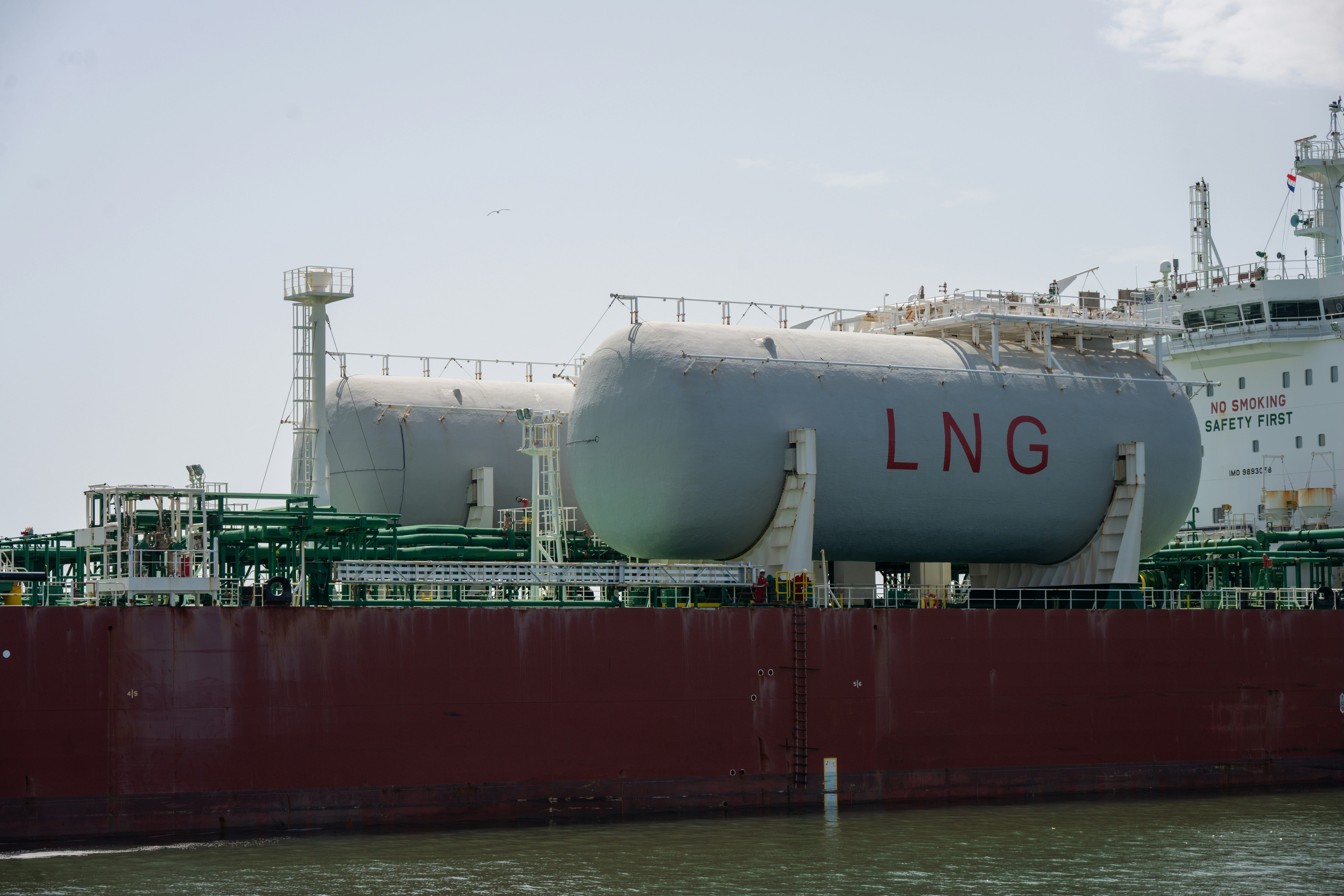
America offers abundant oil, shale gas and nuclear expertise. Its Henry Hub wholesale gas benchmark averaged $3.52 per million British thermal units in 2025. We cannot import that domestic price unchanged: liquefaction, shipping and regasification add costs. But Atlantic supplies offer a route that avoids Hormuz, whilst additional production strengthens competition. Canada offers oil, natural gas, uranium and hydroelectricity. Australia brings liquefied natural gas and the world’s largest uranium resources. These are substantial assets for an allied energy partnership, not merely commodities to admire from afar.
New Zealand offers hydroelectricity and geothermal expertise: geothermal supplied roughly one fifth of its electricity in 2024. Nobody proposes running a cable from Auckland to Kent. The opportunity is to exchange technology, engineering skills and investment, alongside trading fuels where commercially sensible. Nor should we forget our British Overseas Territories. Oxford-led research is exploring Montserrat’s geothermal resources, including electricity generation from existing wells. For an island reliant on imported diesel with one of the highest energy bills in the entire Carribean, successful development could be transformative. Energy realism should offer Montserratians greater prosperity and independence, not simply another feasibility study.
Nuclear must also be central to this approach. Buying and importing French nuclear electricity is not sustainable without our own powerhouse. Britain’s Rolls-Royce SMR programme at Wylfa offers a route towards repeatable, factory-built reactors. Canada is already building a GE Vernova Hitachi BWRX-300 at Darlington. Pair British and North American expertise with Canadian and Australian uranium, and we have the foundations of a resilient nuclear supply chain.
“Expensive power is not a badge of moral seriousness.”
But realism applies here too. Wylfa’s first reactors are targeted for the mid 2030s, not next winter. SMRs still need to demonstrate competitive delivered costs. They deserve a fair opportunity. We should share regulatory evidence with trusted partners, standardise designs and accelerate consenting without weakening safety. Alongside reactors, invest in fuel conversion, enrichment and fabrication: possessing uranium deposits alone does not deliver usable nuclear fuel.
Meanwhile, allow commercially viable North Sea oil and gas projects to proceed – drill baby drill. Domestic production cannot dictate global prices, but surrendering it while demand remains means relying more heavily on imports. Preserve the skills, investment and tax revenues instead. This should not become an argument against renewables. Back solar, storage and geothermal where they lower total system costs, including the networks and balancing services needed to make electricity reliable. Manufacture the solar here instead of China.
An Anglosphere partnership would facilitate investment, remove unnecessary trade barriers and diversify supply, not become a protectionist club. Cheaper, dependable energy means more viable factories, more productive businesses and more money left in household budgets. That is the growth prize we all desperately need.
Remove the ideology and get real. Britain needs energy realism, and an Anglosphere willing to build.
No nation needs an “energy policy”. Get government out of the way. That’s a real “energy policy”.
AS someone who still has his childhood 'Empire youth Annual' on his shelves, I come to this article with much affection. It puzzles me why, when the Canadian PM was casting around recently for friends to bolster his middle powers call to action agenda, the UK didn't seize the opportunity to respond more positively. Perhaps the UK PM thought the idea of a middle power was beneath his dignity. Or perhaps he never had an Empire youth annual in his younger days.