



Professor Len Shackleton is an Editorial and Research Fellow at the IEA.
The Conservatives are planning to reduce benefits for the long-term unemployed, and to replace normal payments with a ‘Back to Work’ card, worth only 70% of the standard rate, which would block spending on alcohol, cigarettes and scratch cards.
This is a revised and extended version of a scheme floated in the spring by Shadow Home Secretary Chris Philp. Back then the talk was of ‘ration cards’ for Universal Credit (UC) claimants who had been convicted of offences related to alcohol, gambling or drugs. These cards could not be used for gambling or alcohol purchases, or to obtain cash via ATMs. The scheme was seen as both a punishment and an attempt to alter behaviour.
The technology was to be based on an existing scheme, the Asylum Support Payment Enablement (ASPEN), which gives people in asylum accommodation the ability to make small purchases of food, clothing and toiletries. Asylum seekers can’t use the card for online purchases, telephone payments or overseas transactions.
The plan was more distantly related to the US federal Supplemental Nutrition Assistance Program (SNAP), which replaced earlier food stamp schemes and now gives around 40 million low-income Americans help with buying food via an Electronic Benefit Transfer (EBT) card.
Philp envisaged that up to 130,000 criminals a year would be issued with these ration cards in place of normal UC benefits. Spending on gambling and alcohol would be blocked, as would cash withdrawals which could be used for drugs, prostitutes or even weapons. There was an obvious appeal to voters in stopping benefit recipients spending taxpayers’ money on their addictions, and possibly limiting further offending by those convicted of violent crimes under the influence of drink or drugs.
However, complicated legislation would have been required to bring this about, and there would have had to be agreed sentencing guidelines (always difficult to achieve with our left-inclined legal profession). It would also have been necessary to monitor the scheme quite carefully to minimise obvious dodges such as using the scheme to buy goods which are then sold on to generate cash. In the US, it is claimed that only about 1% of SNAP users misuse it, far below the level under the old paper food stamps. But the criminal claimants the restrictions were aimed at might have been rather more inclined to game the system.
The Tories’ new proposal would hit people who have been out of work for six months but are otherwise blameless. On current figures, it would affect 350,000 people and save an estimated £540 million. It is reasonable, however, to express some scepticism about even this relatively modest saving. The proposal could be more costly to implement and administer than suggested, as the scheme would be nuanced by more favourable treatment of people who had paid tax in previous years and those with family responsibilities. Moreover, it seems only too likely that some claimants, faced with the prospect of cuts to out-of-work benefits, would try to switch to sickness benefits, recipients of which would be unaffected by the reforms. And these benefits, augmented in some cases by Personal Independence Payment (PIP), could be more costly than those they replace.
Anything which signals an attempt to tackle the ever-swelling welfare spend may do some good, of course. But is this the best way to go about it? Why not just cut out-of-work benefits after six months, rather than introducing an expensive new scheme to attempt control over what benefits are spent on?
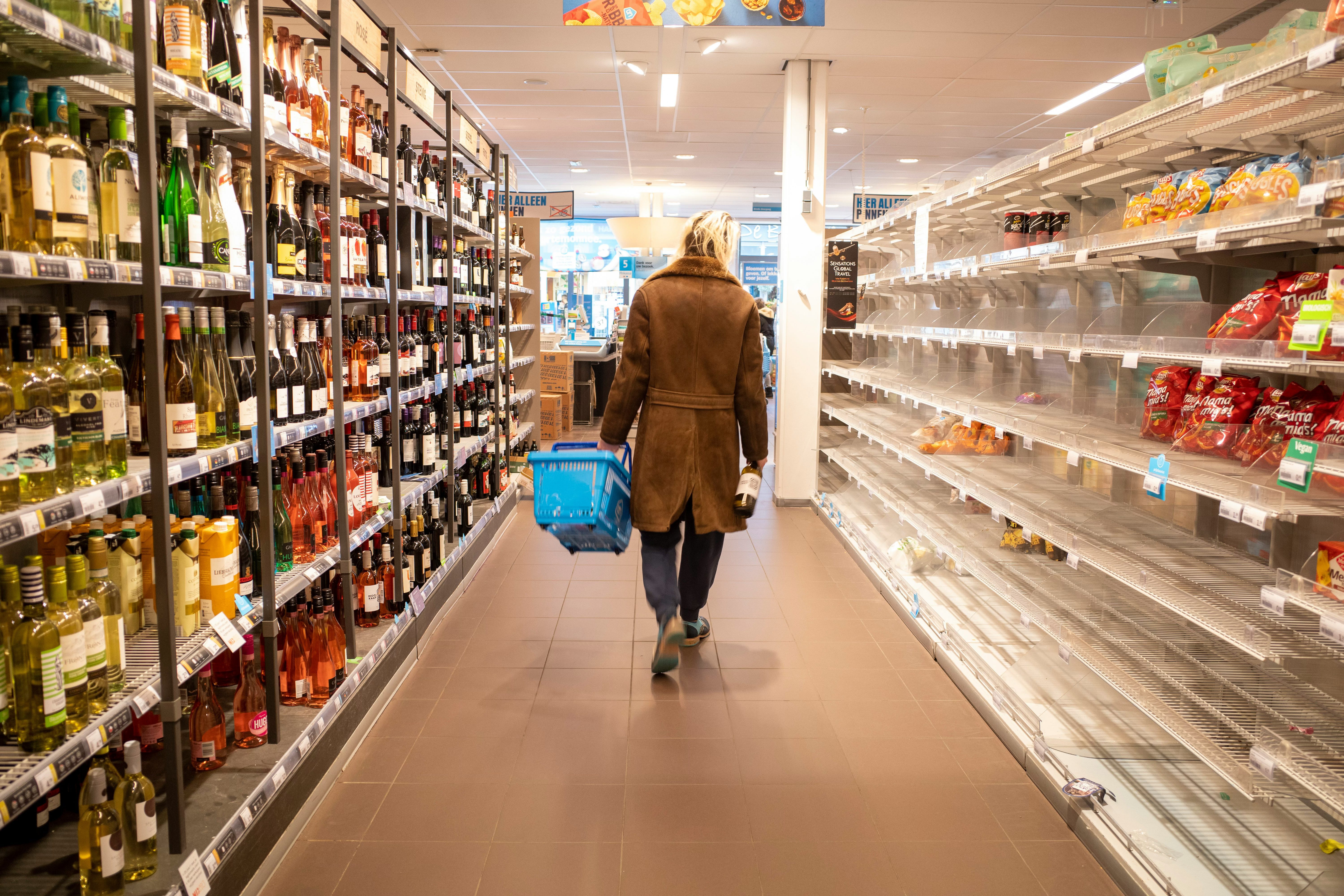
What is perhaps more concerning than the new proposal itself is that, once this principle is adopted, it is only a small step away from rolling out spending restrictions across the wider claimant population. Would we really want this? To the neo-puritan mindset which seems increasingly to dominate the quangos and regulators which clutter up our economy and public life, it might seem that nobody on benefits, particularly, perhaps, those on sickness benefits, ought to be able to spend taxpayer munificence on alcohol or cigarettes. Or perhaps, as our ever-growing nation of nannies would have it, on ‘junk’ food.
In Nebraska, Utah, Indiana, Iowa and West Virginia, state administrators of the SNAP scheme have blocked the purchase of candy and soda; in Texas ‘sugary beverages’ are a no-no. Earlier versions of the food stamps programme were used to subsidise US-produced vegetables; the current scheme is still under the control of the US Department of Agriculture, notorious for being in hock to farm lobby groups. It is easy to see farming interests in the UK making common cause with medics and the fusspot tendency to try to alter the nation’s diet. What started as an attempt to control benefit spending could well morph into something rather different and less appealing.
Moreover, the use of ASPEN-style cards for benefits would have the incidental effect of further restricting the use of cash in the economy, giving the authorities yet more control over the population as a whole, and potentially undermining the economy’s resilience to external subversion and power cuts.
So this proposal, while it may appeal to the widespread wish to curb abuse of the benefit system, carries hidden dangers. It would penalise people who are not necessarily lazy couch potatoes, and certainly not criminals, unlike those targeted by the earlier proposal. And it is at best a diversion from the more important task of fundamentally reforming a welfare system which currently supports 10 million people of working age. What we want to hear from political parties is how they would deliver comprehensive reform, not flashy tweaks that would produce only trivial savings.
Thank you for this. My take on it is what's commonly levelled at the police - you'd think they'd have better things to spend their time on. I had hoped seemingly perpetual disappointment with the Tories might be over, but not so. They should be exercised on the big and complex issues: reading the IEA's 'The Great Stagnation' and figuring out how to facilitate growth, how to build houses, and defend the population. Tinkering is not going to cut it.
Another great article by Len.