


Sam Turner is a freelance writer and an intern at the Institute of Economic Affairs.
A person’s first job offers them something invaluable. It is not only their first opportunity to earn money, but also their first chance to gain experience and skills, giving them a way into the labour market. As a teenager, I remember my first paid job working 12-hour shifts as a steward at racing events. This was not exactly a glamorous or exciting job, but it improved my interpersonal skills and built my confidence – acting as a stepping stone into further employment.
According to polling from the Social Market Foundation, first jobs that increased a young person’s confidence and readiness for more senior work were associated with 24% higher earnings by their mid-30s. Yet, due to several factors, namely high taxation, overregulation and sluggish economic growth, fewer young people are being given the opportunity to climb the first rung of the career ladder.
The Labour government’s 2024 hike in employers’ National Insurance (NI) contributions has been particularly damaging to young people’s employment prospects. Alongside the 2024 Budget, the Office for Budget Responsibility (OBR) estimated that the NI increase would reduce labour supply by around 50,000 average-hours equivalents by 2029-30, split roughly between lower employment and fewer hours worked by people who remained employed.
Despite this assessment, the then Chancellor, Rachel Reeves, pressed ahead with the self-defeating NI hike. A recent Office for National Statistics (ONS) report shows that payrolled employees in the UK fell by 135,000 (0.4%) between May 2024 and May 2025, and by 25,000 (0.1%) between April and May 2025. These are astounding figures, which alone cannot convey the misery and suffering inflicted on those who were forced into unemployment by Labour’s tax on jobs.
Young people have suffered the most as a result of the Government’s tax-and-spend agenda. In May 2026, the IFS found that the share of 16-to-24-year-olds in payrolled employment fell by 4.3 percentage points between December 2022 and December 2025, equivalent to around 330,000 fewer young people in payrolled work. This demonstrates that rising youth unemployment was already a growing problem, which has been made worse by Labour’s tax hikes.
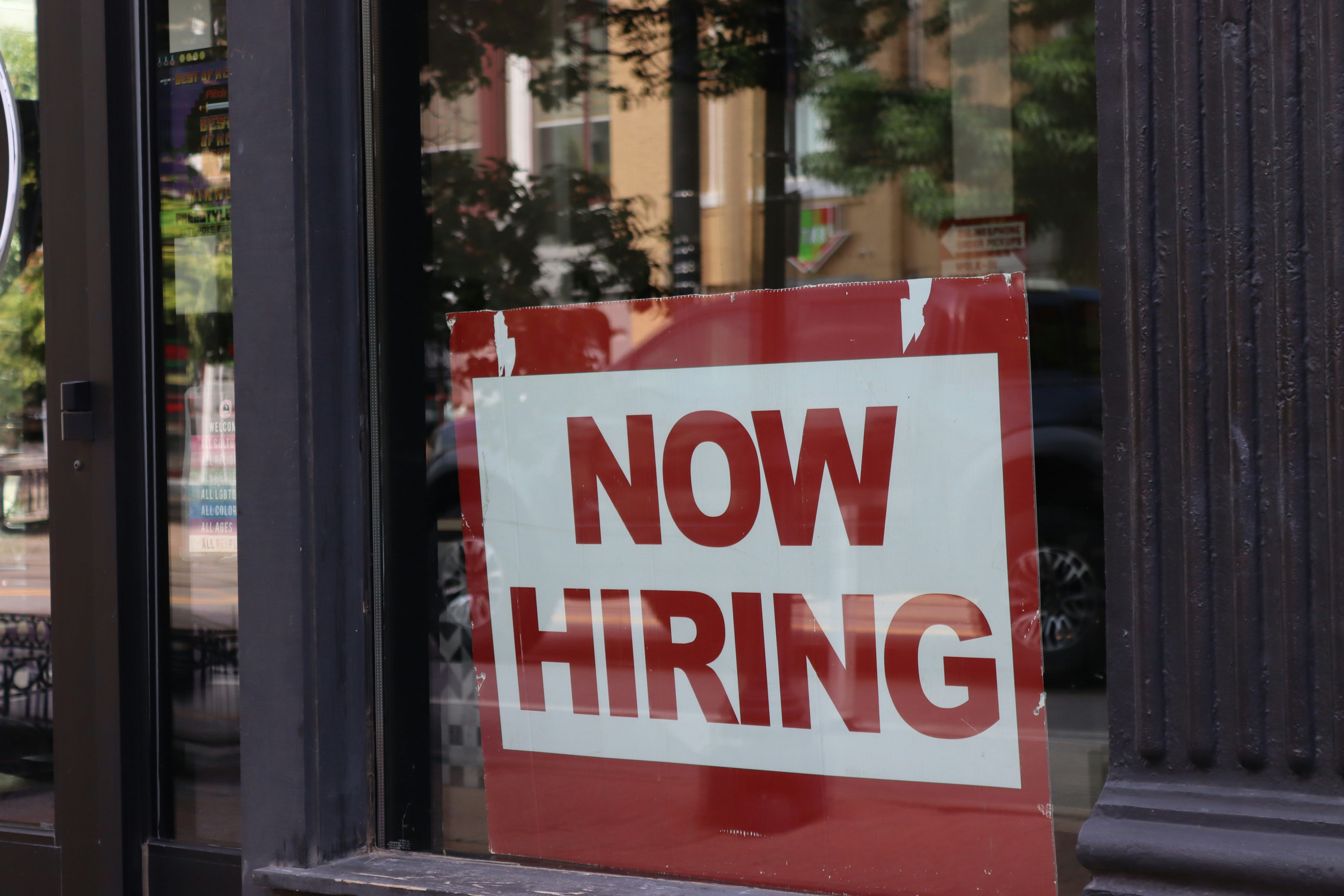
Another effect of the NI hike may have been fewer vacancies. The estimated number of vacancies in the UK was down 145,000 (16.8%) in May to July 2025 from the level the previous year. This enormous drop in vacancies represents tens of thousands of missed job opportunities, demonstrating that one of the worst impacts of the NI hike was preventing people from entering the labour market in the first place, which naturally leads to more people claiming benefits.
As someone who has recently been unemployed, I can tell you that young people do not want to be unemployed; we do not want to be on benefits. According to a recent government survey, 84% of young people aged 16-24 who were NEET (not in employment, education or training) said they did not wish to be so. This demonstrates that while unfortunately many young people are on benefits, what unemployed young people really want is a hand-up, not a hand-out.
One practical solution to the NEETs crisis is laid out in the IEA’s Alternative Budget, published last week, which proposes to cut the employer NI rate from 15% to 11.5% and to apply it at a flat rate. This would save employers approximately £21 billion, which they could invest in hiring more staff and paying their workers more.
The Alternative Budget also recommends cutting employee NI to 4.25% and applying it as a flat rate, which would save most workers £600 to £1,000 a year, or roughly £50 to £80 a month. This is real money that would improve incentives for people to get off benefits and into work. It would also give people breathing space from the cost of living. This would be paid for by broadening the base of VAT, which would simplify taxes for businesses.
Backing businesses and workers should be at the centre of the Government’s growth agenda. Instead, for the last two years the Government has done the opposite, plundering the productive private sector to fund a bloated and unproductive public sector. Hikes to NI and business rates have had a disastrous impact on businesses, which have been forced to close or lay off workers. As well as harming young workers, who are more likely to be fired, they are also unfair to the entrepreneurs who have invested their own money into businesses and employed people, only to be whacked with higher taxes and additional red tape.
At the Autumn Budget this week, the Chancellor, John Healey, should draw a line under the tax-and-spend agenda of the last two years and reassess what a pro-growth tax policy looks like. Rather than continuing with the failed policies of Rachel Reeves, the Chancellor should admit that Labour has taken the wrong approach so far and cut the jobs tax.
thin - doesn't ask who is suddenly doing these jobs and why
https://gbtt.info/guest-opinions/hidden-subsidy/