Dominic Pino is an economist and editorial writer for The Washington Post Opinion section.
A few weeks ago, I went on a hike with some friends in the mountains in Colorado. The weather was perfect, the lakes and trees were gorgeous and we even saw a moose.
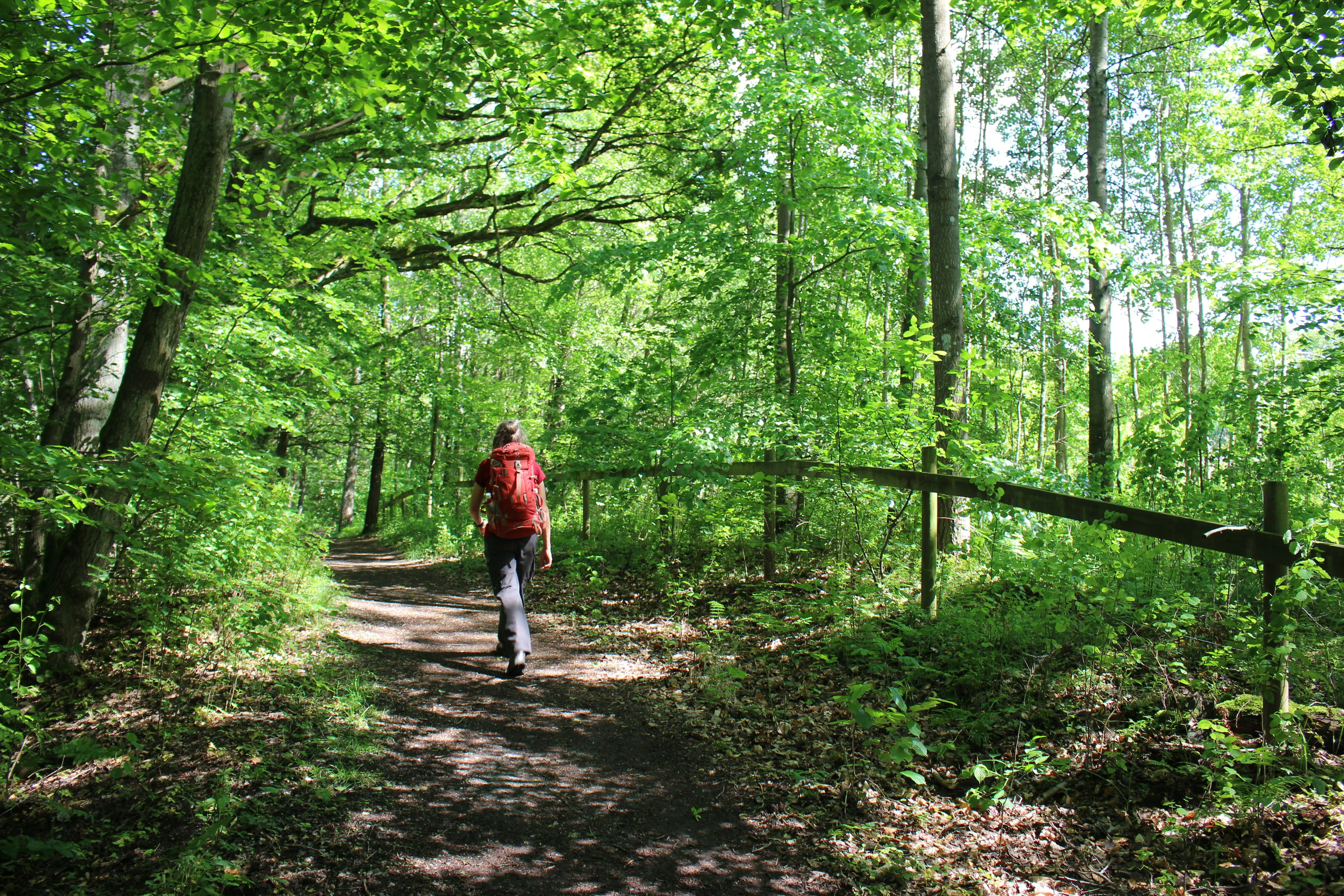
As I took in the views and breathed the fresh air, I also appreciated what has made hiking possible: industrialization. Hiking is often seen as a natural activity, but there’s nothing natural about it, and almost nobody did it before the industrial revolution.
There weren’t even words for it in English. According to Merriam-Webster, the word “hike” was first used as a noun meaning “a long walk especially for pleasure or exercise” in 1865. Google Books Ngram Viewer, which tracks word usage in English-language books beginning in 1800, shows that the words “hike” and “hiking” did not appear in writing with any kind of frequency until around 1900.
Before the industrial revolution, the great outdoors was most people’s workplace. They were out there from dawn to dusk in all kinds of weather, doing grueling manual labor, or else they starved. It was only the richest of the rich who could stay inside and partake in such hedonistic extravagances as eating a varied diet or learning how to read. Today we can enjoy the great outdoors because we do it on our own terms.